

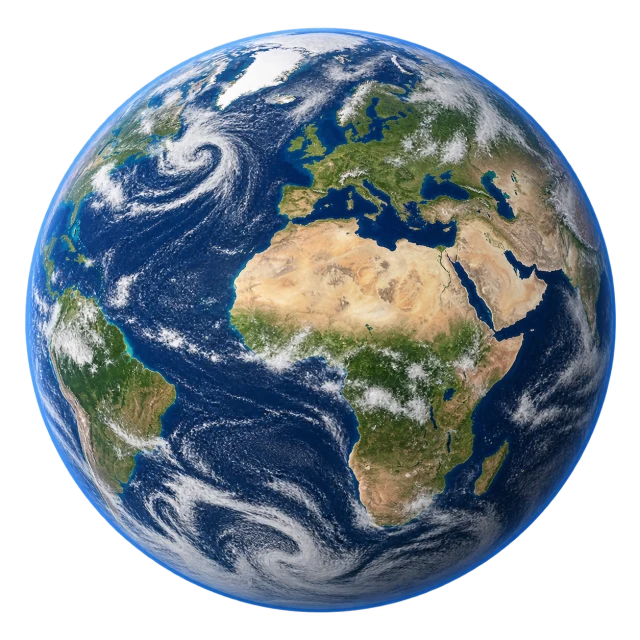
Planet Active
Earth
Earth is the third planet from the Sun and the largest of the terrestrial planets. It is the only known place inhabited by living things and the...
Explore
Verified coverage for Solar System.
16 results
Earth is the third planet from the Sun and the largest of the terrestrial planets. It is the only known place inhabited by living things and the...
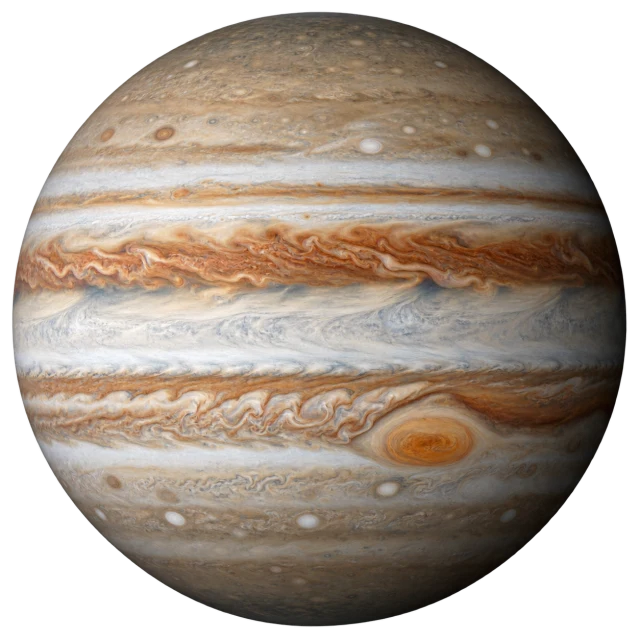
Jupiter (JPL 599) is the fifth planet: a rapidly rotating gas giant with a hydrogen-helium atmosphere, an intense magnetosphere, moons, and faint...
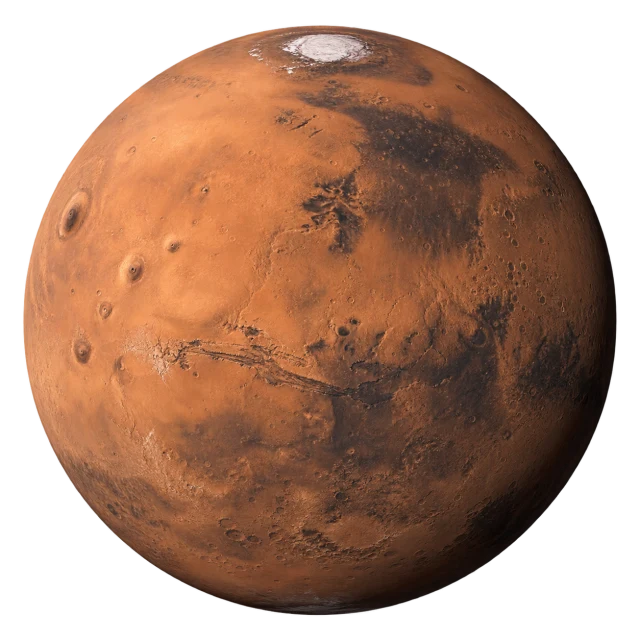
Mars (499) is the fourth planet from the Sun: a rocky, cold, dusty desert world with a very thin atmosphere, seasons, polar ice caps, extinct vol...
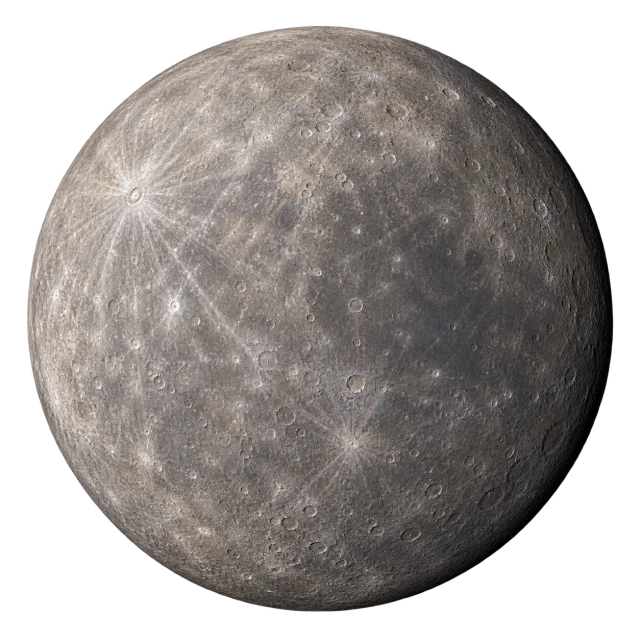
Mercury is the closest planet to the Sun and the smallest planet in the solar system. JPL identifier 199 corresponds to a rocky world with a 2439...
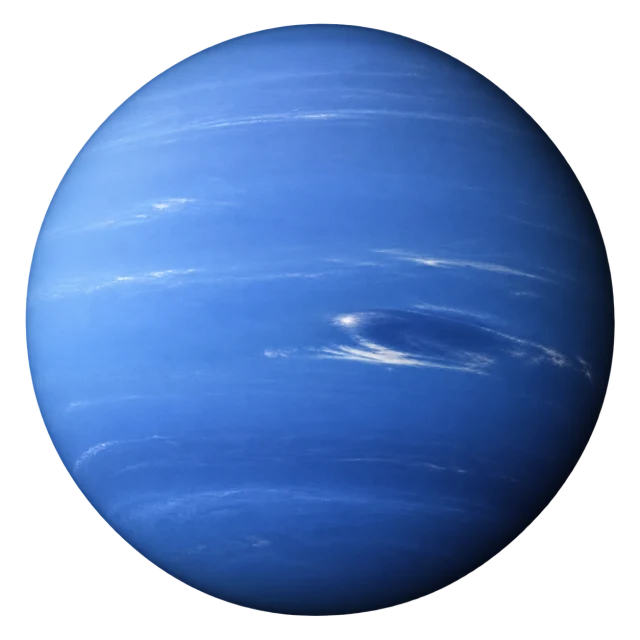
Neptune is the eighth and most distant planet in the solar system: an ice giant discovered in 1846 through mathematical predictions. It has a dyn...
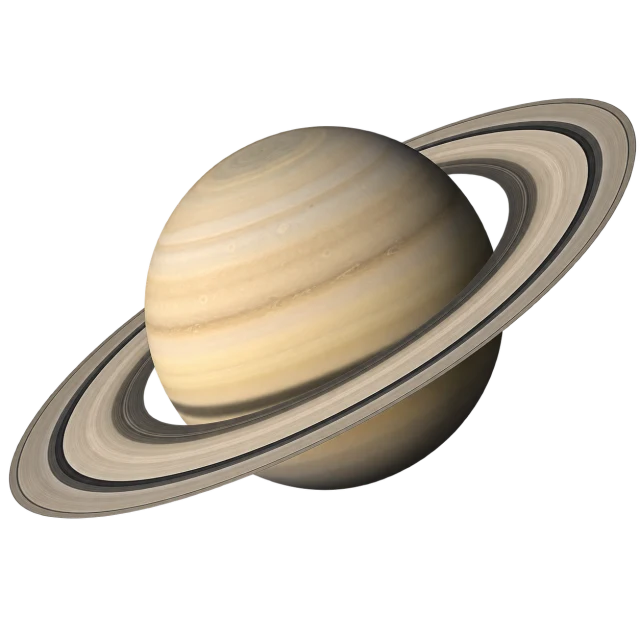
Saturn is the sixth planet from the Sun and the second-largest in the solar system. It is a gas giant composed mostly of hydrogen and helium, kno...

The Solar System includes the Sun, eight planets, five officially named dwarf planets, hundreds of moons, and thousands of asteroids and comets.
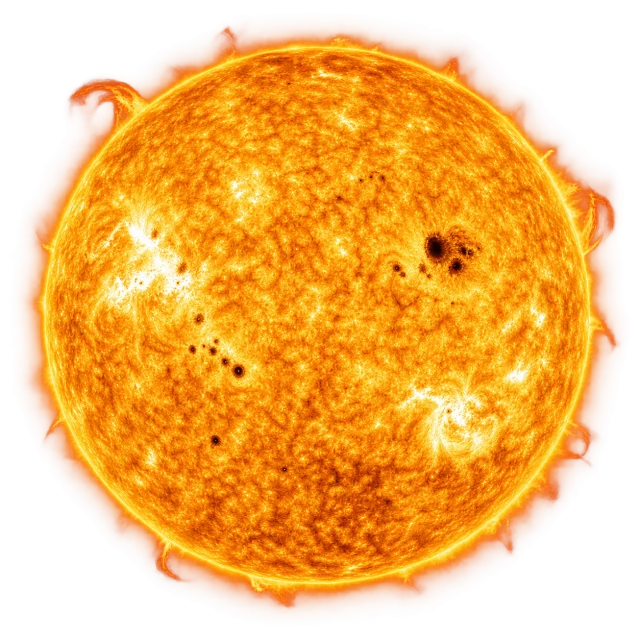
The Sun is a yellow dwarf star about 4.5 billion years old, composed mainly of hydrogen and helium. Located at the center of the solar system, it...
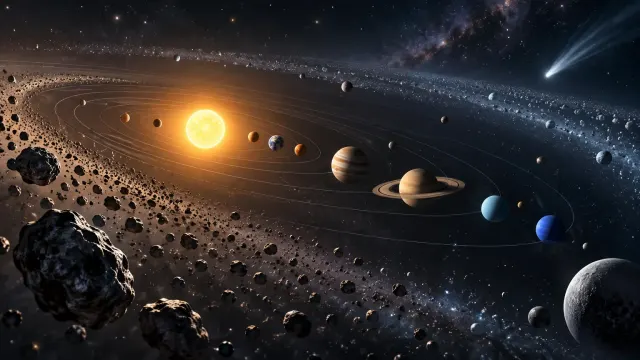
The Solar System is not limited to the planets shown in familiar diagrams. NASA’s figures include hundreds of moons and millions of smaller bodie...
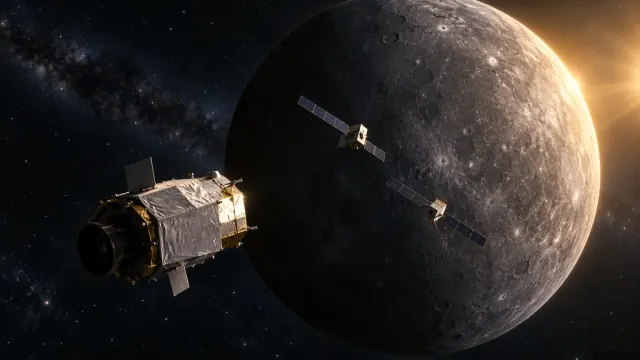
BepiColombo, a joint mission of the European Space Agency and Japan’s JAXA, is designed to study Mercury with two orbiters. Separation of its tra...
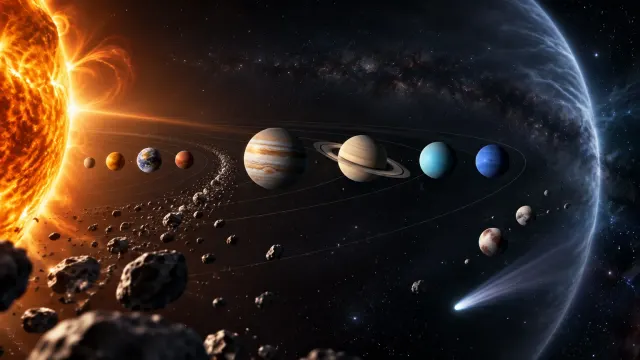
NASA lists eight planets, five officially named dwarf planets, and a far larger population of moons, asteroids and comets. Its missions study eve...
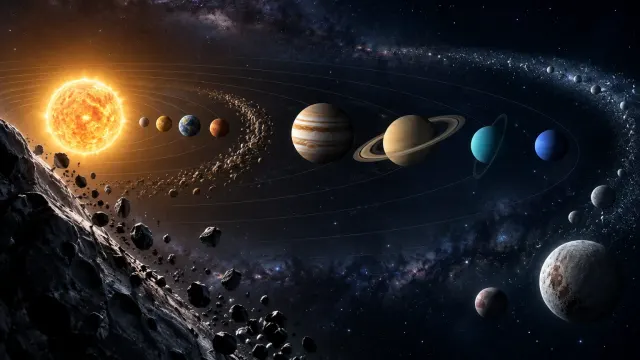
NASA describes a system with one star, eight planets, five dwarf planets and thousands of other bodies. Missions such as IMAP and New Horizons in...
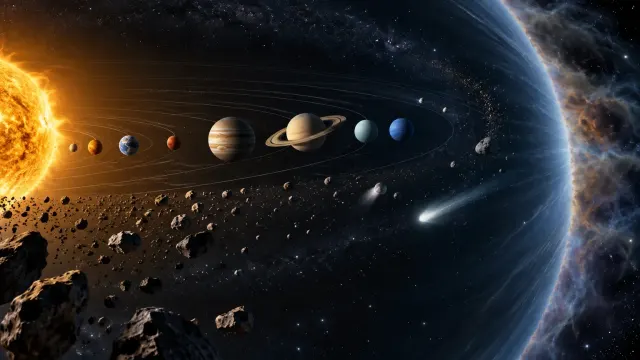
The Solar System includes far more than the planets orbiting the Sun. NASA’s figures include hundreds of moons, more than a million asteroids and...
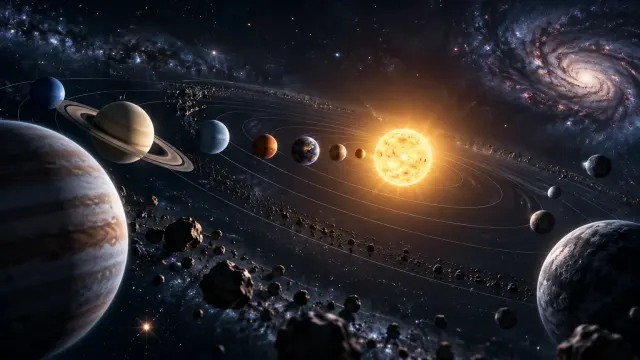
NASA’s available information offers an overview of the solar system and a unit for measuring distance. It also leaves questions unanswered: the s...
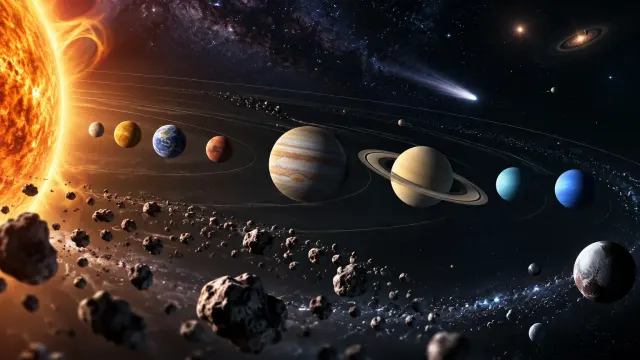
The solar system is much more than its planets. NASA’s figures describe its known inventory of worlds and small bodies, while several missions in...
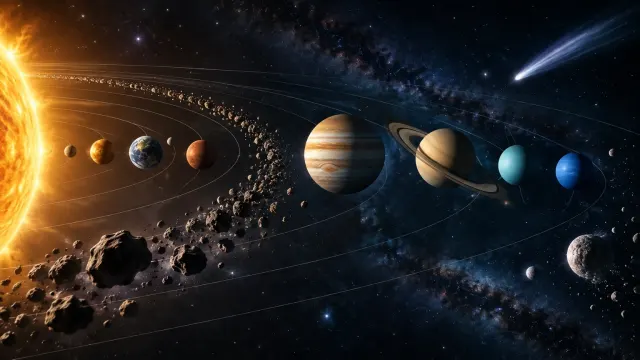
The solar system contains one star, planets and a much larger population of asteroids, comets and moons. NASA’s data and news illustrate how diff...