

Planet Active
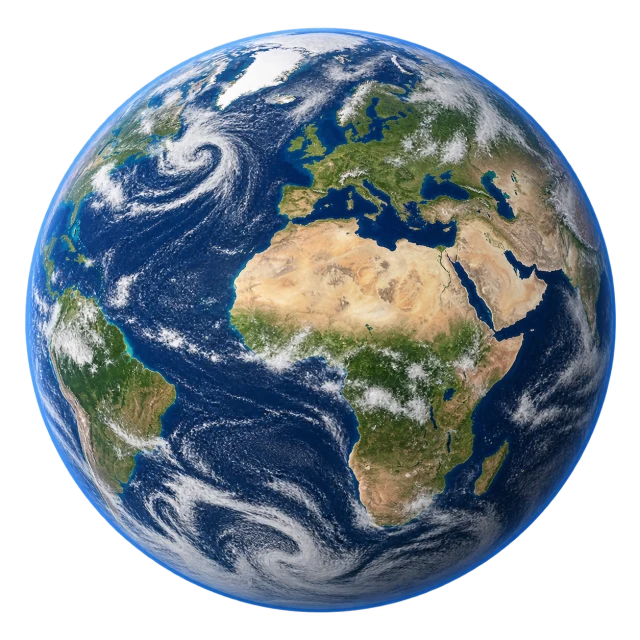
Earth
Earth is the third planet from the Sun and the largest of the terrestrial planets. It is the only known place inhabited by living things and the...
Explore
Verified coverage for Planets.
16 results
Earth is the third planet from the Sun and the largest of the terrestrial planets. It is the only known place inhabited by living things and the...
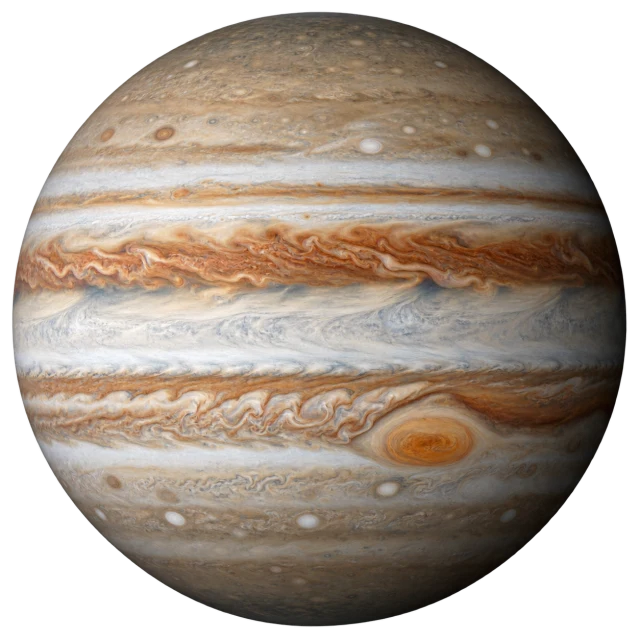
Jupiter (JPL 599) is the fifth planet: a rapidly rotating gas giant with a hydrogen-helium atmosphere, an intense magnetosphere, moons, and faint...
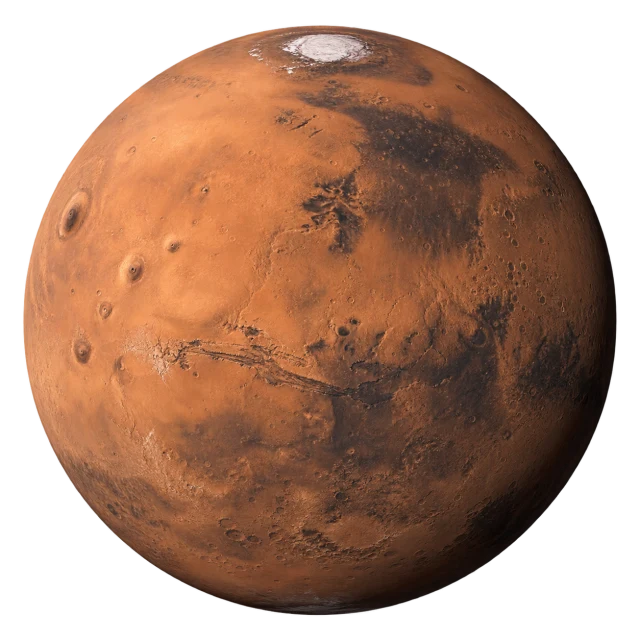
Mars (499) is the fourth planet from the Sun: a rocky, cold, dusty desert world with a very thin atmosphere, seasons, polar ice caps, extinct vol...
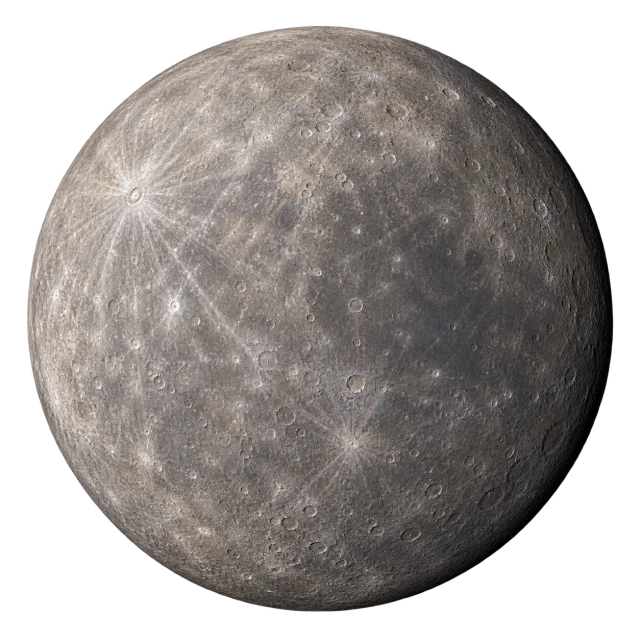
Mercury is the closest planet to the Sun and the smallest planet in the solar system. JPL identifier 199 corresponds to a rocky world with a 2439...
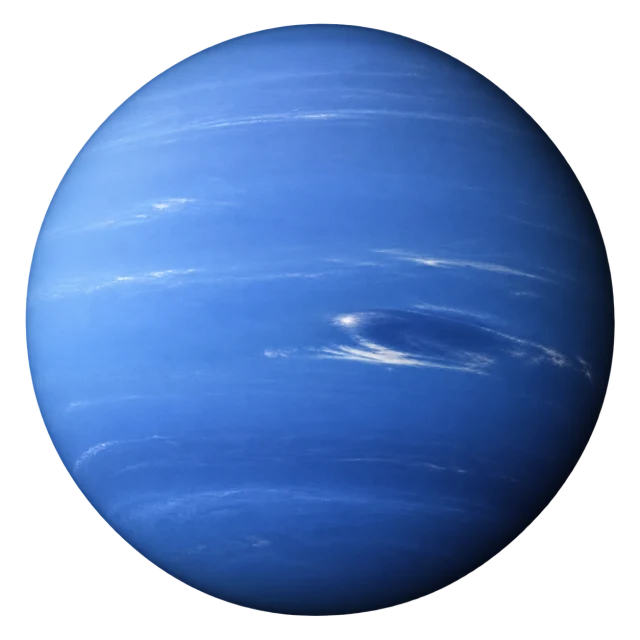
Neptune is the eighth and most distant planet in the solar system: an ice giant discovered in 1846 through mathematical predictions. It has a dyn...
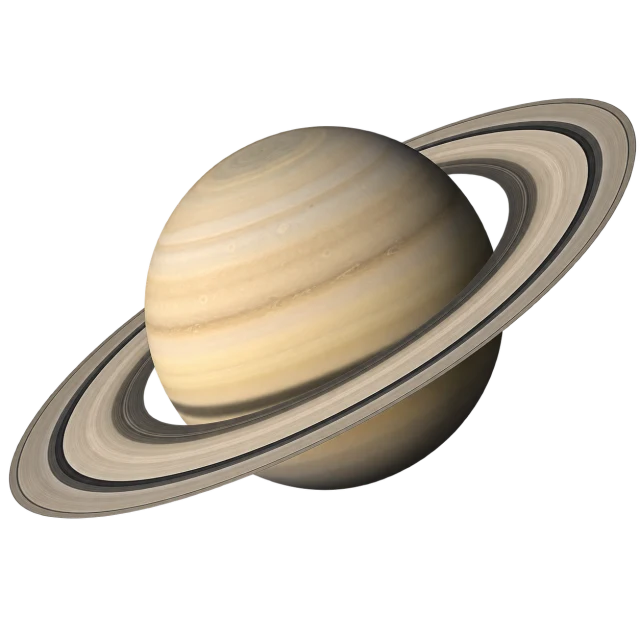
Saturn is the sixth planet from the Sun and the second-largest in the solar system. It is a gas giant composed mostly of hydrogen and helium, kno...
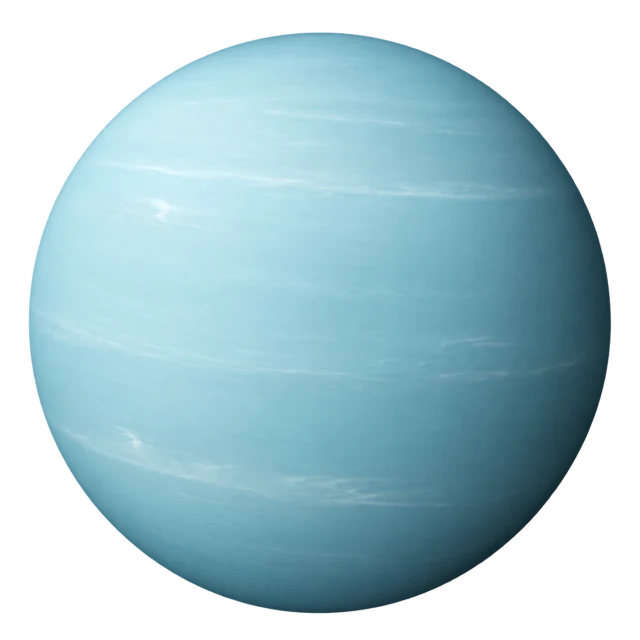
Uranus is the seventh planet from the Sun, an ice giant that rotates on its side. It has 13 faint rings; NASA lists 29 recognized moons as of Aug...
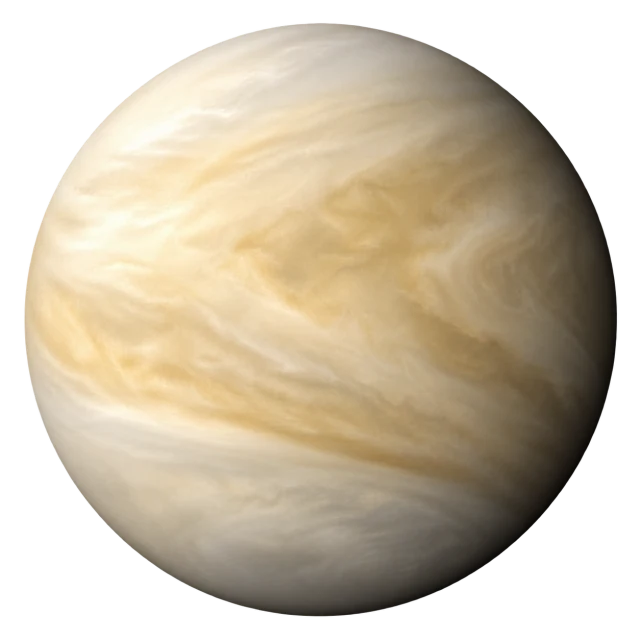
Venus is a cloud-shrouded planet, a nearby planetary neighbor of Earth, and NASA describes it as the hottest planet in the solar system. Its carb...
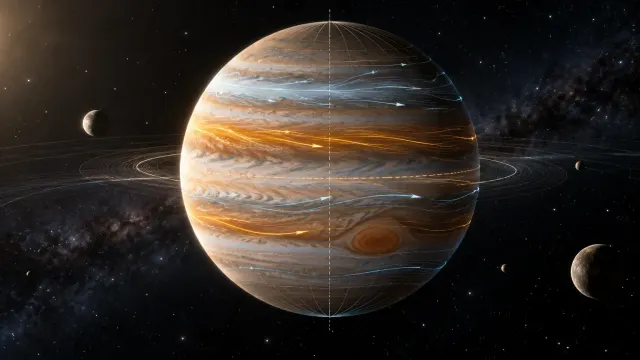
A study published in Nature Astronomy uses radio occultation measurements from the Juno spacecraft to derive Jupiter’s shape while accounting for...
On September 17, 2025, NASA announced that its count had reached 6,000 confirmed exoplanets. The figure marked a milestone in a catalog that adds...
NASA puts the number of confirmed exoplanets at more than 6,000 and estimates that billions exist in the galaxy. The catalog makes it possible to...
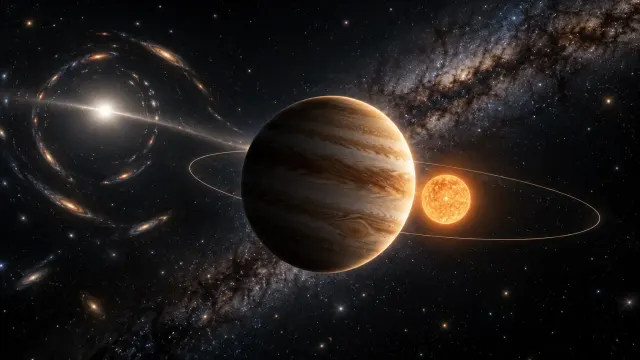
Gaia23bra b has 1.6 times Jupiter’s mass and orbits an orange dwarf star at a distance similar to that between Jupiter and the Sun. NASA explains...
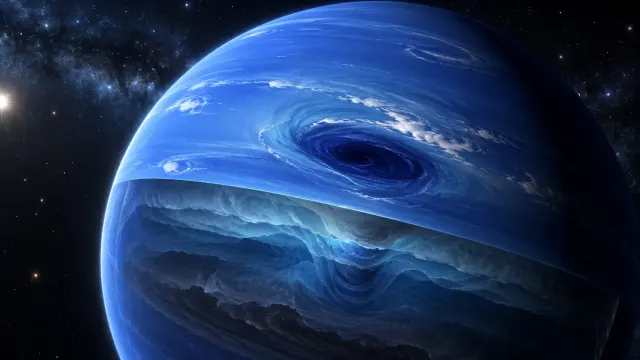
Neptune’s dark vortices are high-pressure systems that are difficult to observe directly. Hubble detects them especially well at blue wavelengths...
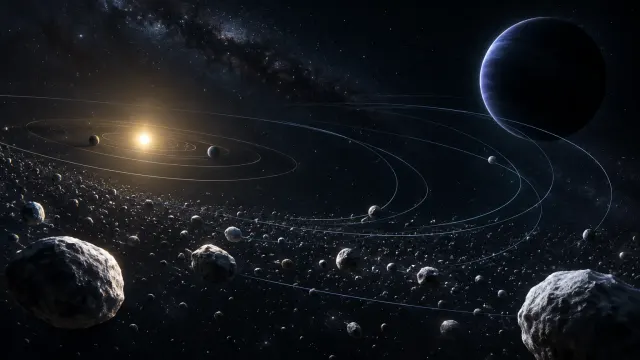
The apparent clustering of some orbits of icy Kuiper Belt objects led Konstantin Batygin and Mike Brown to propose the possible existence of a di...
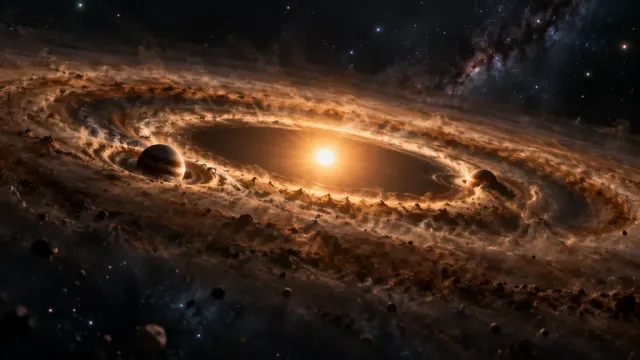
The observation of two planets forming around WISPIT 2 links the search for young worlds to a larger question: how planetary systems, including o...

The official sources supplied place planets and exoplanets at the heart of several NASA research lines. They also describe a source seen by Webb...