


Cosmic structure Active
Andromeda Galaxy
Andromeda, or M31, is the Milky Way’s nearest major spiral-galaxy neighbour, a Local Group member roughly 2.5 million light-years away.
Editorial archive
Andromeda, or M31, is the Milky Way’s nearest major spiral-galaxy neighbour, a Local Group member roughly 2.5 million light-years away.
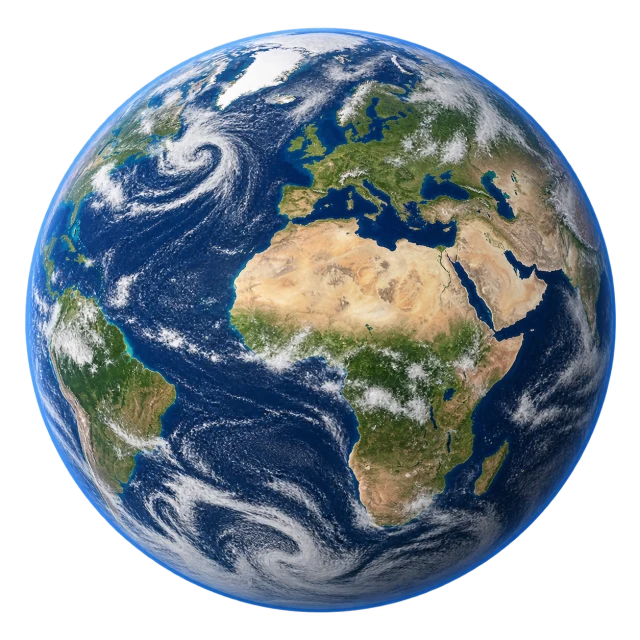
Earth is the third planet from the Sun and the largest of the terrestrial planets. It is the only known place inhabited by living things and the...

Europa is one of Jupiter’s four large moons and the planet’s fourth-largest moon. Its icy surface and measurements pointing to a salty ocean bene...
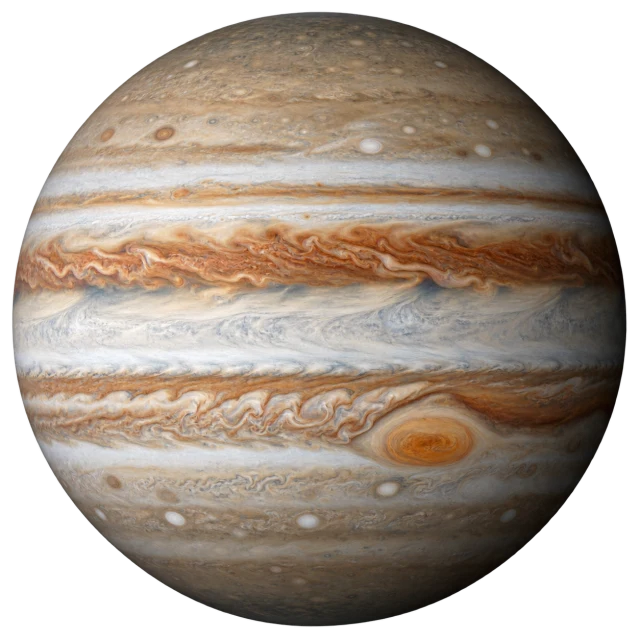
Jupiter (JPL 599) is the fifth planet: a rapidly rotating gas giant with a hydrogen-helium atmosphere, an intense magnetosphere, moons, and faint...
The Laniakea Supercluster is a large collection of clusters, groups, and galaxies; the Local Group lies on its outer edges.

The Local Group is a galaxy group including the Milky Way, Andromeda, and more than 50 other galaxies, on Laniakea’s outer edges.
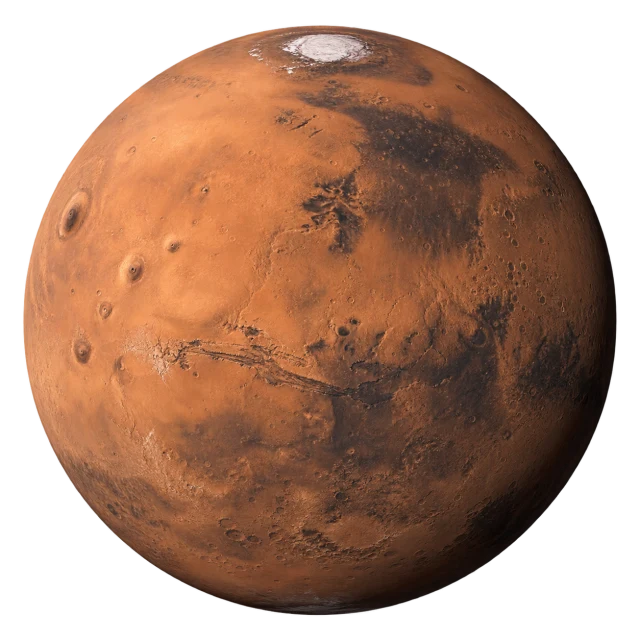
Mars (499) is the fourth planet from the Sun: a rocky, cold, dusty desert world with a very thin atmosphere, seasons, polar ice caps, extinct vol...
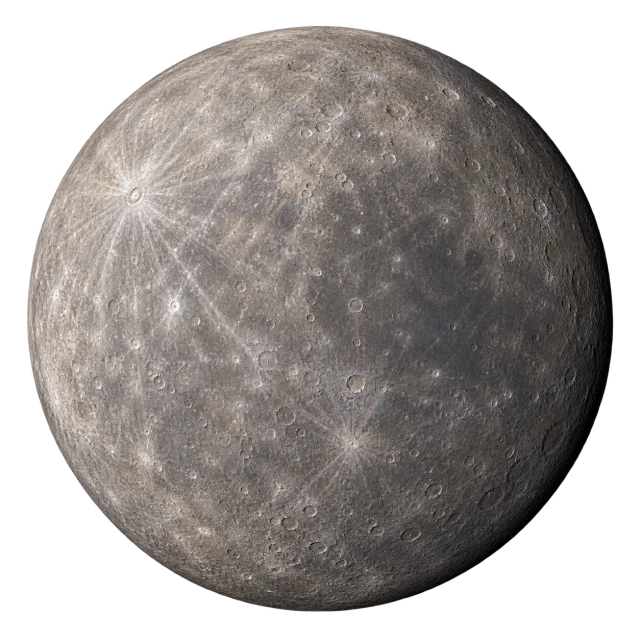
Mercury is the closest planet to the Sun and the smallest planet in the solar system. JPL identifier 199 corresponds to a rocky world with a 2439...

The Milky Way is our home galaxy, a spiral galaxy with a stellar disk spanning more than 100,000 light-years.

The Moon is Earth's only natural satellite. It is a differentiated rocky body with a core, mantle, and crust, orbiting Earth at an average distan...
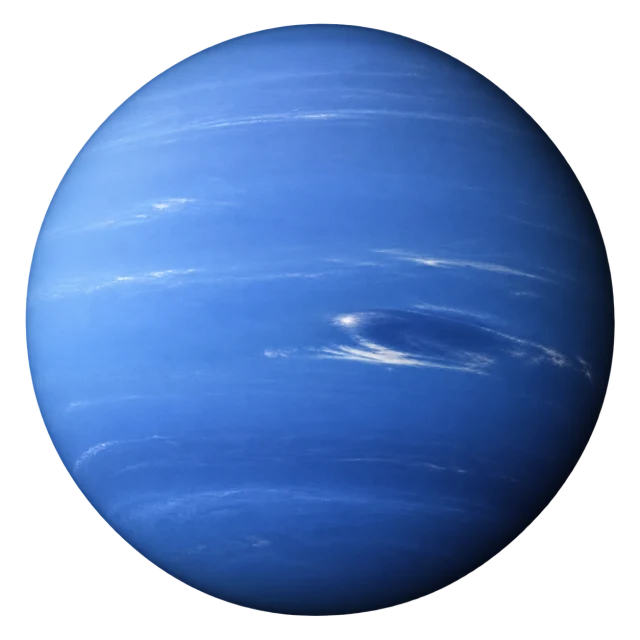
Neptune is the eighth and most distant planet in the solar system: an ice giant discovered in 1846 through mathematical predictions. It has a dyn...

The Observable Universe is the cosmic setting studied by cosmology, whose history extends from early inflation to the present accelerating expans...

The Orion Nebula, or M42, is a nebula in Orion and a nearby star-forming region that can be seen without optical aid from a dark-sky site.

Sagittarius A* is the supermassive black hole at the center of the Milky Way, with a mass of about four million times that of the Sun.
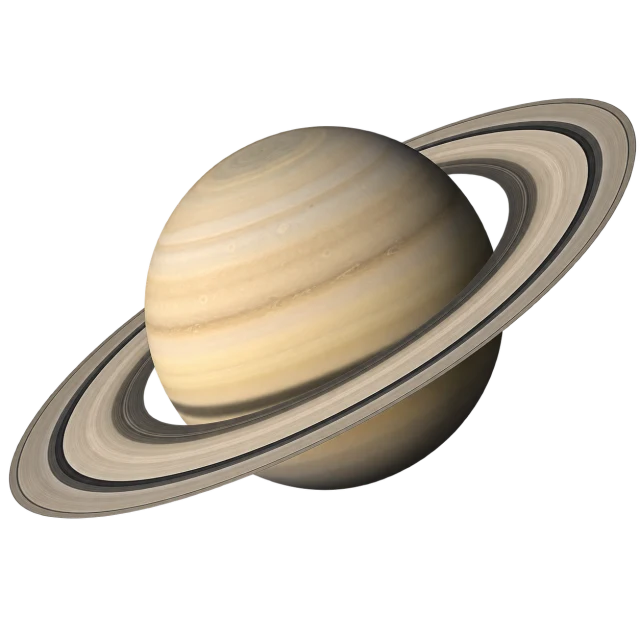
Saturn is the sixth planet from the Sun and the second-largest in the solar system. It is a gas giant composed mostly of hydrogen and helium, kno...

The Solar System includes the Sun, eight planets, five officially named dwarf planets, hundreds of moons, and thousands of asteroids and comets.
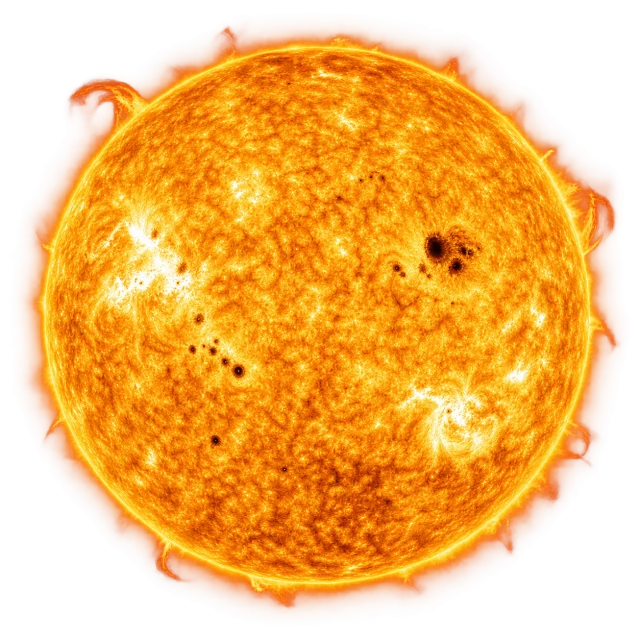
The Sun is a yellow dwarf star about 4.5 billion years old, composed mainly of hydrogen and helium. Located at the center of the solar system, it...
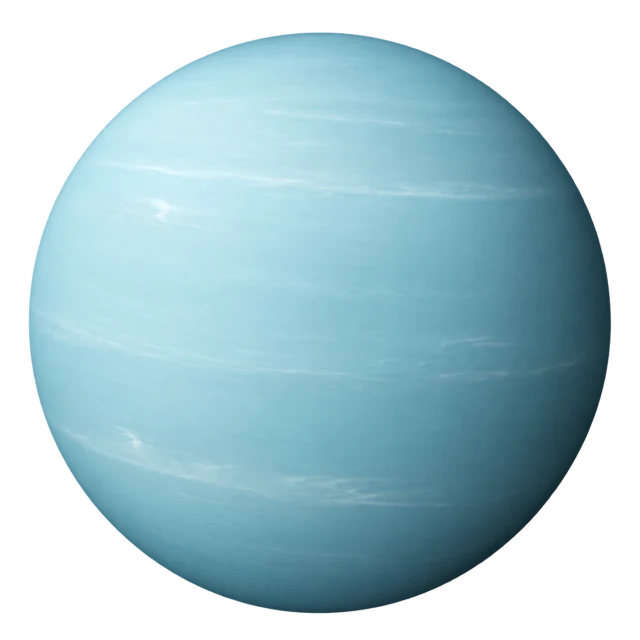
Uranus is the seventh planet from the Sun, an ice giant that rotates on its side. It has 13 faint rings; NASA lists 29 recognized moons as of Aug...
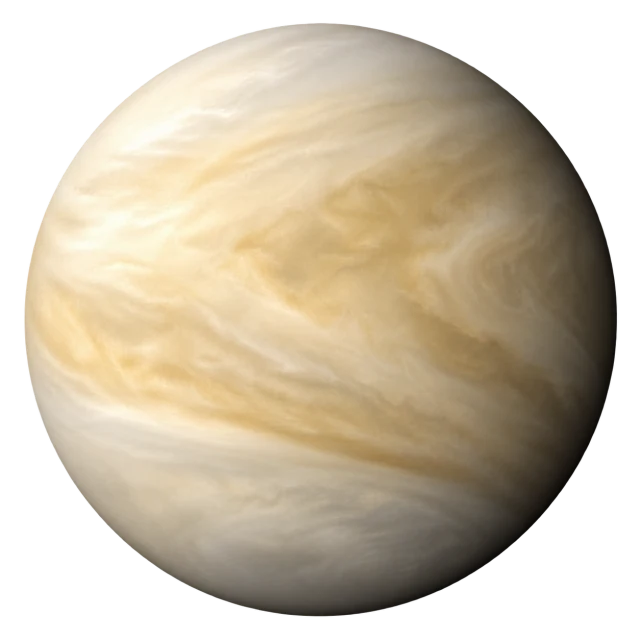
Venus is a cloud-shrouded planet, a nearby planetary neighbor of Earth, and NASA describes it as the hottest planet in the solar system. Its carb...

Virgo is the nearest large galaxy cluster to the Local Group, containing over a thousand galaxies, hot gas and dark matter, with M87 in its centr...
The first known interstellar object to visit the Solar System, discovered on 19 October 2017 and officially designated 1I/2017 U1.
1I/ʻOumuamua was the first confirmed interstellar visitor to the Solar System. Discovered in 2017, it yielded trajectory and brightness measureme...
3I/ATLAS is the third confirmed interstellar object observed crossing the Solar System. Its open trajectory and cometary activity offer a way to...