Ongoing science missions: what the available evidence does—and does not—show
The sources record research using the Chandra observatory, the release of a catalogue from the AMS-02 particle detector, and a study of asteroid...
Editorial archive
The sources record research using the Chandra observatory, the release of a catalogue from the AMS-02 particle detector, and a study of asteroid...
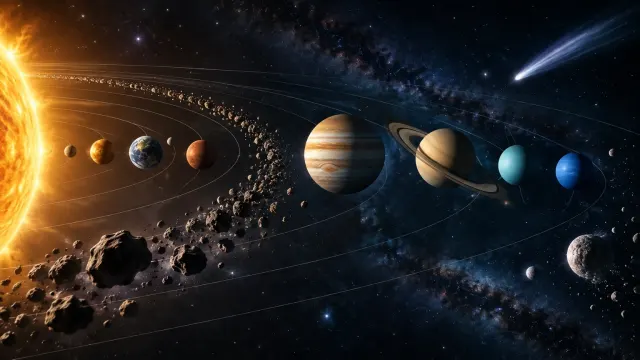
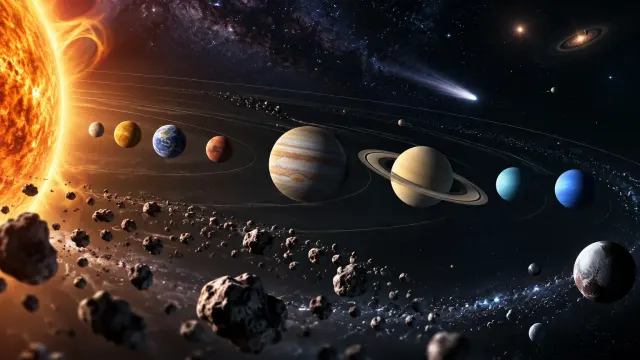
The solar system is much more than its planets. NASA’s figures describe its known inventory of worlds and small bodies, while several missions in...
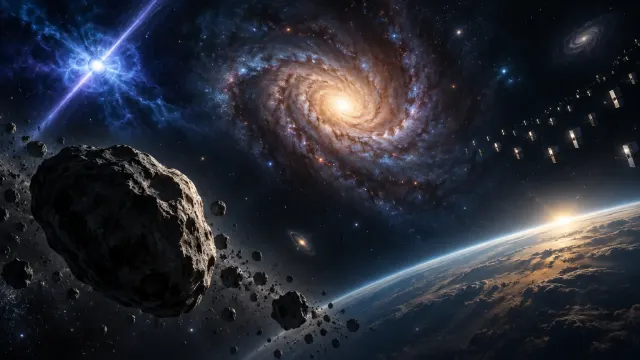
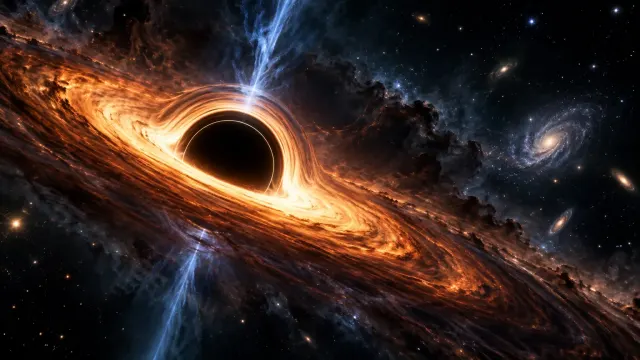
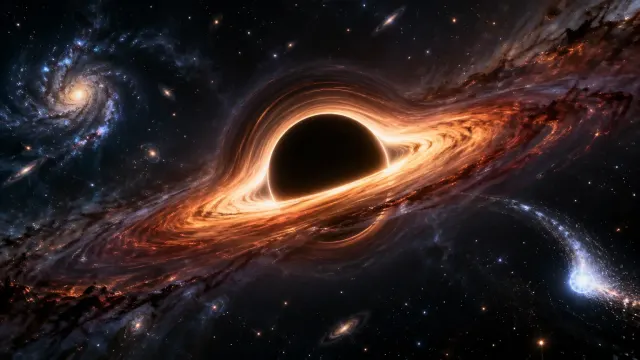
Black holes are concentrations of matter so compact that their gravity defines an event horizon. Observations of stars, X-rays and light from dis...
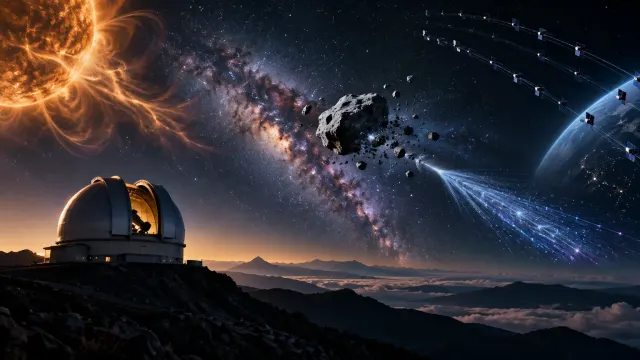
The sources describe different investigations and missions, from X-rays and cosmic rays to asteroids and satellite megaconstellations. Together t...
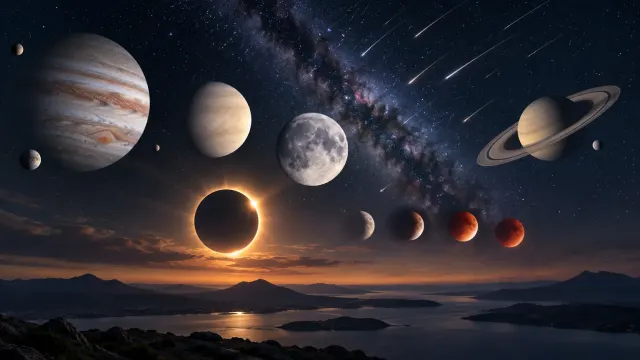
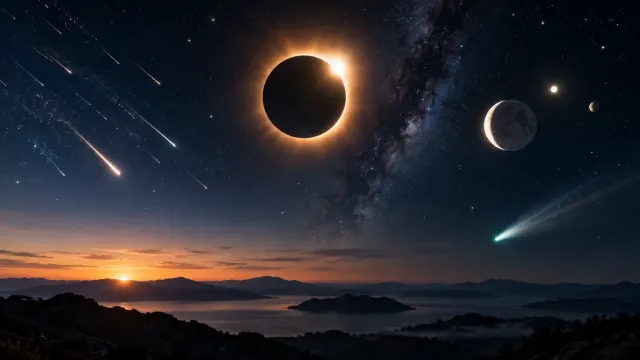
Jupiter, Venus, the Moon and Saturn feature in NASA’s 2026 observing suggestions. The year will also bring two solar and two lunar eclipses, whil...
A review of several space initiatives cited by official sources: an observation by the XRISM observatory, a particle catalog from AMS-02, the pla...
Several research efforts and space missions show how astronomy is advancing: from observing stellar winds to analysing Bennu samples and measurin...
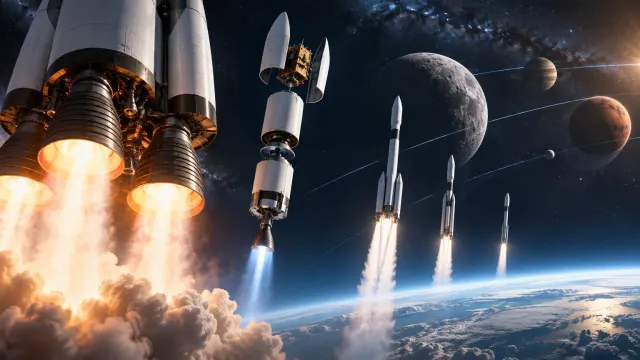
A look at launch vehicles described by NASA and the European Space Agency helps distinguish engines, stages, boosters and missions without confla...
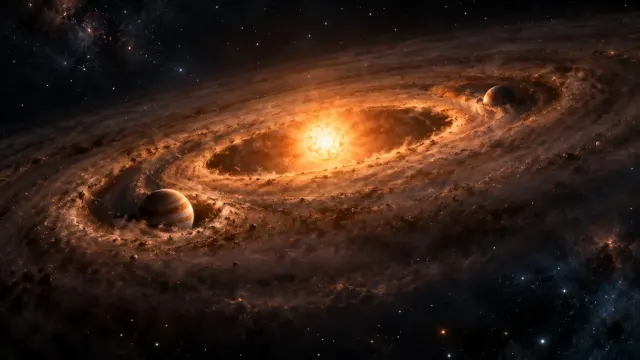
An ESO notice dated 24 March 2026 reports two planets forming around the young star WISPIT 2. Its description says one had already been detected...
NASA’s 2026 skywatching summaries mention meteor showers, eclipses, Venus near the Moon, Mercury and a comet. For planning, distinguish the month...
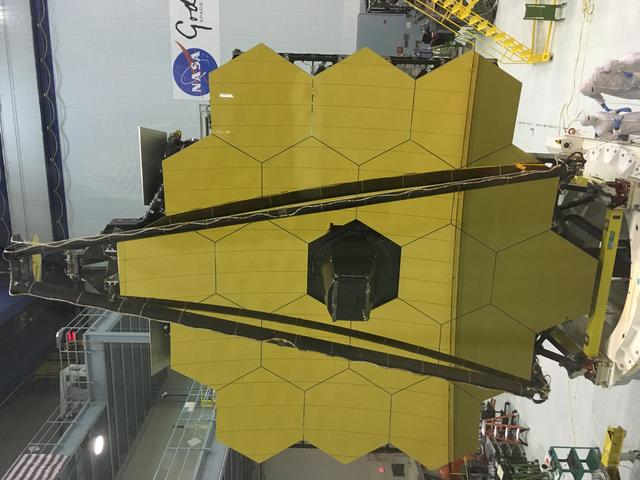
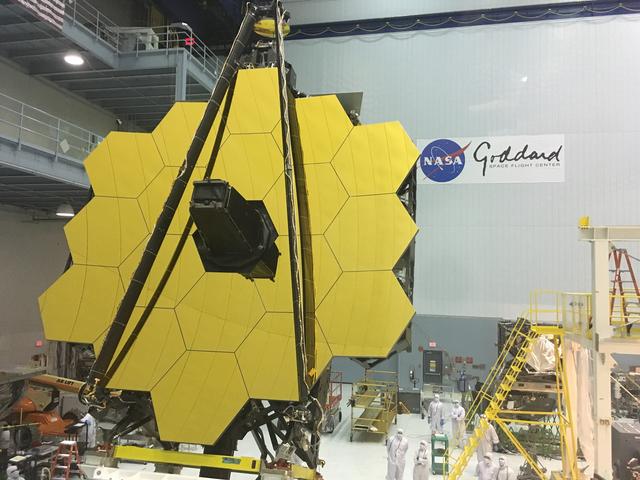
A selection of NASA and ESO notices points to different developments: X-ray observations, cosmic-ray data, a Webb image, a DART result and plans...
The solar system contains one star, planets and a much larger population of asteroids, comets and moons. NASA’s data and news illustrate how diff...
Black holes are not empty holes, but extremely compact concentrations of matter. The available evidence brings together established observations...
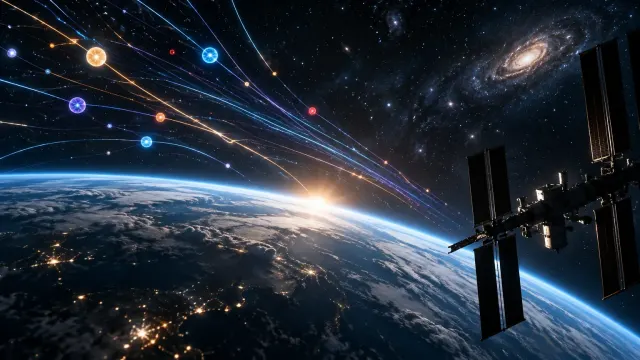
The available evidence identifies a catalog of incident rates for particle species measured by AMS-02, an experiment installed on the ISS since 2...
NASA says the Nancy Grace Roman Space Telescope was planned to launch in fall 2026. Separately, HEASARC announced an AMS-02 particle-rate catalog...
The available references bring together observatories, particle detectors, scientific archives and studies of the orbital environment. They also...
The available evidence describes continuing scientific activity on the ISS, Bennu research, TESS-based publications, and work associated with Rom...
Available official fact sheets make it possible to compare how liquid propulsion, solid boosters and stages are combined in major launchers for t...