

Key facts
- NASA published Crew-13 information on September 28, 2026.
- The mission was planned to carry four crew members to the International Space Station.
- NASA listed research, technology demonstrations and maintenance as broad objectives.
- SpaceX targeted Thursday, October 1, for a Falcon 9/Dragon launch from SLC-40 at Cape Canaveral, Florida.
- NASA calls Crew-13 SpaceX’s 13th crew rotation mission and its 14th astronaut flight to the station, including Demo-2.
Related records
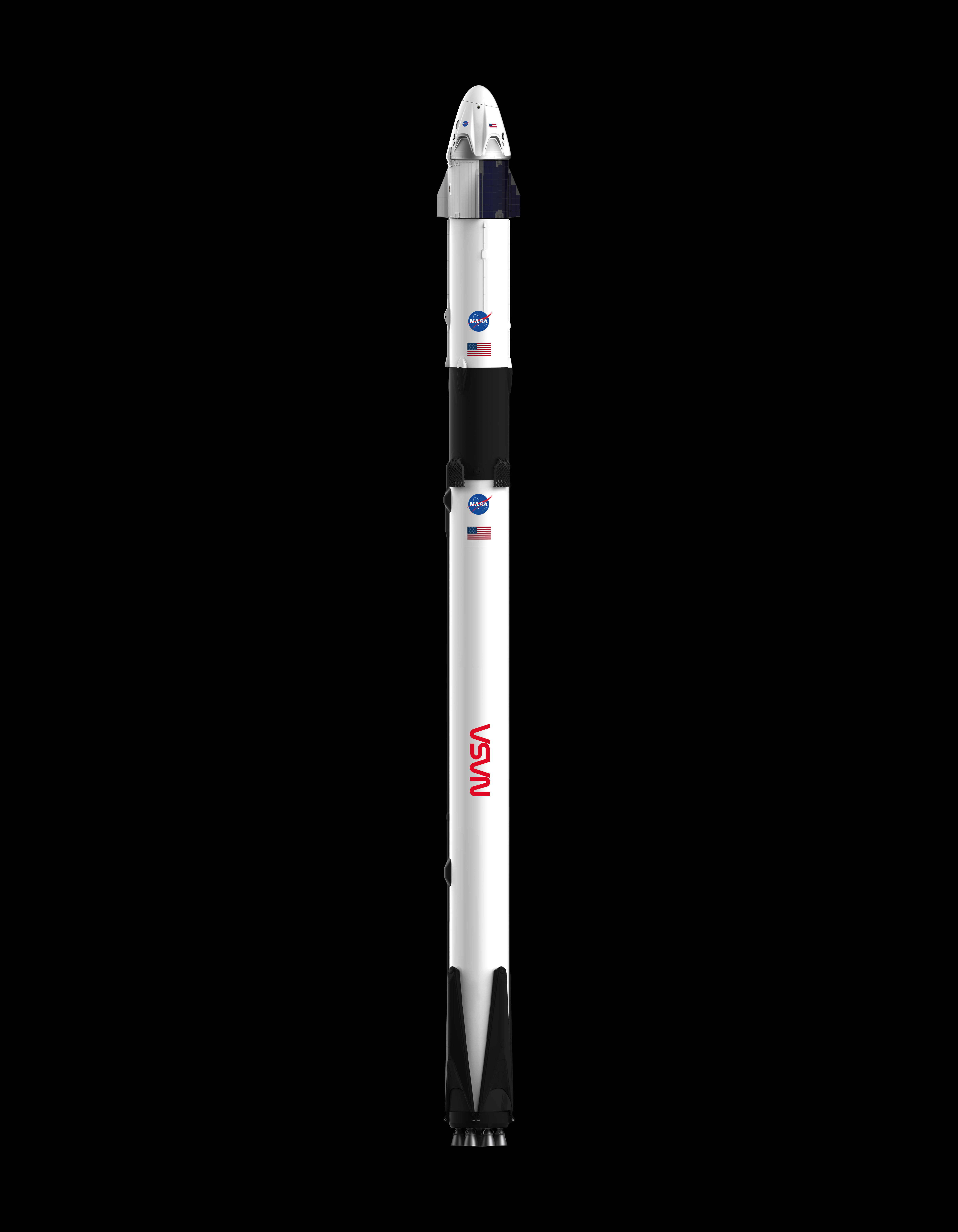
The Crew-13 report describes a planned launch, not a completed one. In information published on September 28, 2026, NASA presented the mission as a flight carrying four crew members to the International Space Station (ISS). The agency named three broad areas of work during the stay: research, technology demonstrations and maintenance. SpaceX, meanwhile, said a Falcon 9 launch was targeted for Thursday, October 1, from Space Launch Complex 40 at Cape Canaveral Space Force Station in Florida.
The distinction between a target date and a confirmed launch matters: the supplied information describes plans and intentions. It does not establish that the rocket lifted off, that the spacecraft reached the station or that the mission began as scheduled.
What Crew-13 is and what its number means
Crew-13 is a crew-rotation mission within SpaceX’s human space transportation system, under NASA’s Commercial Crew Program. NASA’s mission page describes it as the system’s 13th crew rotation mission and its 14th flight with astronauts to the station when the Demo-2 test flight is included. In other words, “Crew-13” identifies the mission’s place in the rotation sequence, while the flight count also includes a test mission.
The Commercial Crew Program is the NASA framework identified in the supplied information for SpaceX’s human transportation flights to the station. The material does not provide details here about the program’s contractual terms or describe its other missions. It does establish that Crew-13 belongs to this framework and that the planned transportation system pairs a Falcon 9 with a Dragon spacecraft.
The destination: an orbiting laboratory
The International Space Station is the stated destination, and NASA describes it as an orbiting laboratory. That context helps explain why a crew mission can involve different kinds of work: the announced plan is not limited to transporting people, but includes research, technology demonstrations and maintenance aboard the station.
However, the available information does not identify specific experiments, instruments, technologies to be tested or systems requiring maintenance. Nor does it report any scientific results. It is therefore not possible to attribute a particular discovery, test or benefit to Crew-13 on the basis of these materials.
How the launch was planned
According to the cited SpaceX mission page, the launch vehicle would be a Falcon 9 and Dragon would carry out the human spaceflight. The target was Thursday, October 1, from Space Launch Complex 40 (SLC-40) at Cape Canaveral Space Force Station in Florida. NASA likewise described the four crew members as set to launch, but the supplied material does not give their names, nationalities or roles.
SpaceX explicitly framed the date as a target. A scheduled target in spaceflight is not equivalent to confirmation that a vehicle has departed. The sources available for this article also give no launch time, expected travel duration or return date.
What work is planned and what remains unknown
NASA summarizes Crew-13’s purpose in three areas: conducting research, carrying out technology demonstrations and maintaining the station. These are broad categories, not a work schedule. Without further information, it is not possible to specify which scientific questions will be addressed, which devices will be tested or what maintenance will be performed.
Other details needed to reconstruct the full operational plan are also absent here: the planned stay length, the handover process with the previous crew, arrival or departure times, and the mission’s final status are not given. Their absence in the material does not show that no such plans exist; it marks only the limits of the evidence consulted.
What is established—and why caution is needed
- New information: NASA published a Crew-13 mission explainer on September 28, 2026, describing a planned flight of four crew members to the ISS.
- Stated purpose: research, technology demonstrations and maintenance in the orbiting laboratory.
- Launch plan: SpaceX was targeting Thursday, October 1, for a Falcon 9 carrying Dragon from SLC-40 at Cape Canaveral.
- Mission context: NASA identifies it as the 13th crew rotation in SpaceX’s human transportation system and the 14th astronaut flight to the station when Demo-2 is counted.
- Not confirmed by these materials: whether the launch occurred, who was on the crew, which specific experiments were performed or what their results were.
In short, Crew-13 was presented as an upcoming transportation and station-work mission, with a target date and vehicle identified. The key distinction is between the plan announced by NASA and SpaceX and events the available sources do not establish.