

Key facts
- NASA lists the Nancy Grace Roman Space Telescope for launch on August 30, 2026, from Kennedy Space Center in Florida.
- NASA’s educational page identifies SpaceX’s Falcon Heavy as Roman’s launch vehicle.
- NASA says Roman’s field of view will be at least 100 times larger than Hubble’s and that it could measure light from a billion galaxies over its lifetime.
- In January 2026, ESA reported public presentations for M-Matisse, Plasma Observatory and Theseus, proposals under study since 2022 for its next medium-class science mission.
- The available information does not confirm that Roman has launched or say which ESA proposal was selected.
Related records
Two different stages for future missions
Not every upcoming mission is at the same stage. NASA information about the Nancy Grace Roman Space Telescope gives a planned launch date and location. By contrast, an ESA science-news item describes three projects still involved in the selection of the next medium-class mission in its Science Programme. The distinction matters: a date listed as scheduled is not the same as a launch that has already taken place, and a proposal under review is not yet a selected mission.
The material reviewed does not include publication dates for every excerpt. This account therefore reports what those items say and cannot establish whether they have since been updated. Nor is there evidence here that pending decisions have already been made.
Roman: a planned date and a wide field of view
A NASA educational page about upcoming launches gives August 30, 2026, as the launch date for the Nancy Grace Roman Space Telescope. It lists Kennedy Space Center in Florida as the launch site and SpaceX’s Falcon Heavy as the launch vehicle. A separate NASA release also gives August 30, 2026, as the scheduled launch date from Kennedy. In both cases, the wording describes a plan: the evidence does not show that the launch has happened or that the schedule cannot change.
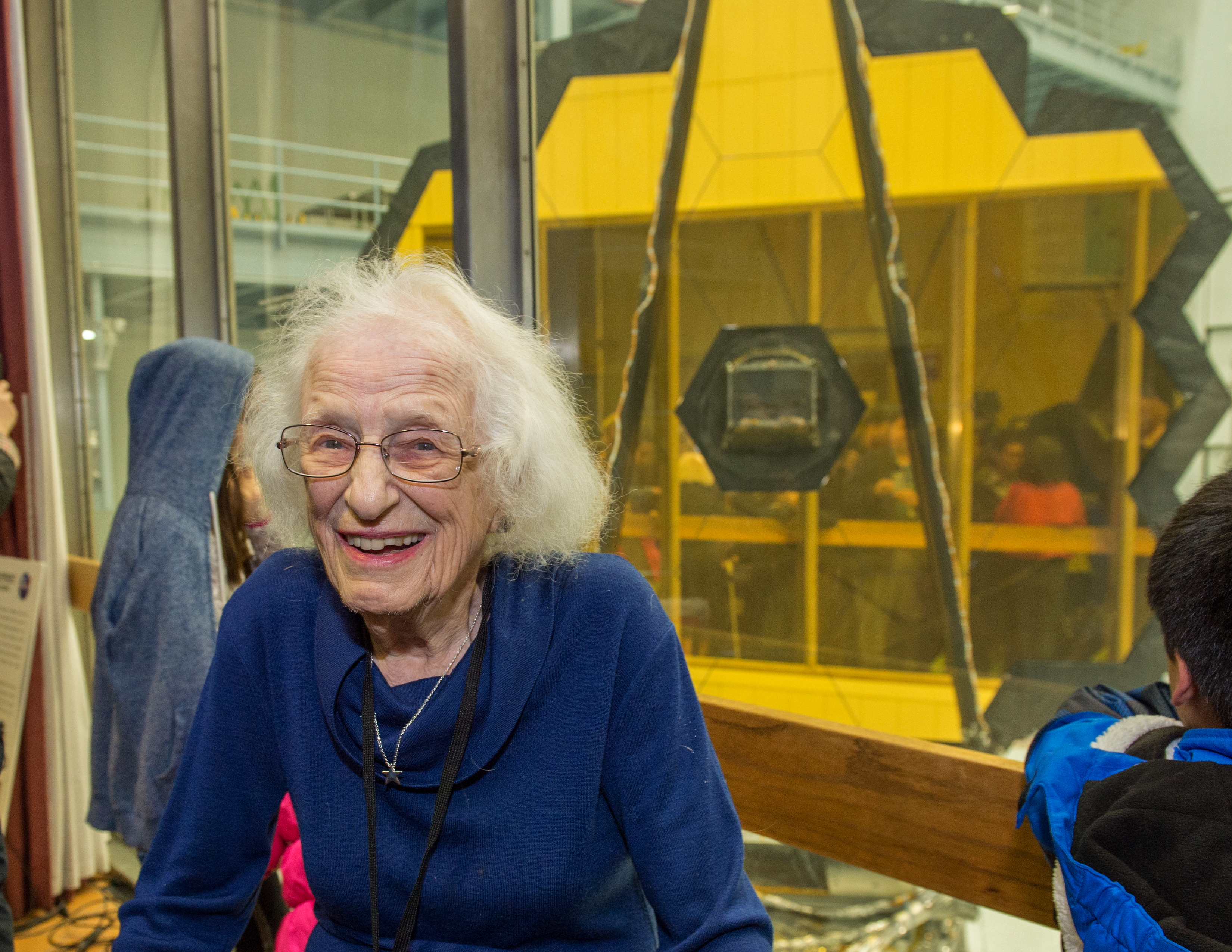
The material describes Roman as a space telescope and says its field of view will be at least 100 times larger than Hubble’s. It adds that over its lifetime the observatory could measure light from a billion galaxies. That wording describes a potential capability, not a completed count. The source also says the telescope is named for Nancy Grace Roman, NASA’s first chief astronomer, and identifies her as a figure associated with the development of the Hubble Space Telescope.
Three candidates in ESA’s selection process
In its January 2026 information, ESA says teams proposing missions for the next medium-class mission in its Science Programme were invited to give public presentations. The three names listed are M-Matisse, Plasma Observatory and Theseus. According to the excerpt, the proposals had been under study since 2022 and were part of the selection process.
This supports describing them as candidates or proposals, not as approved missions. The available text cuts off before giving the outcome. It also does not set out the scientific aims, schedule, budget or technical features of each proposal. Without those details, it is not possible to compare them responsibly or infer concrete goals from their names.
What can be concluded—and what remains open
The two cases show why it is useful to distinguish a mission with an announced schedule from a selection that is still under way. Roman has a date, launch site and vehicle listed by NASA pages; even so, the date should be read as planned. The three ESA proposals, by contrast, appear as options being assessed for a future mission. The evidence does not say which one was chosen, whether a decision has since been announced elsewhere, or when the selected mission might fly.
There are also limits to the context: the excerpts do not explain how NASA and ESA mission categories compare, and they do not provide a complete schedule of future launches. This is therefore not a comprehensive list of upcoming space missions, but a limited overview of the projects named in the available sources.
The most cautious reading of the announcements
For now, Roman is the project in this selection with the most specific operational detail: a launch planned for August 30, 2026, from Kennedy Space Center aboard a Falcon Heavy. The cited capabilities—at least 100 times Hubble’s field of view and the potential to measure light from a billion galaxies over its lifetime—describe expected reach, not scientific results already obtained.
M-Matisse, Plasma Observatory and Theseus remain, according to the available information, proposals studied as part of an ESA selection. The safe conclusion is limited but clear: Roman has a planned launch, while ESA is assessing candidates for a future European mission. The actual launch date and ESA’s final choice cannot be confirmed from this material.