

Key facts
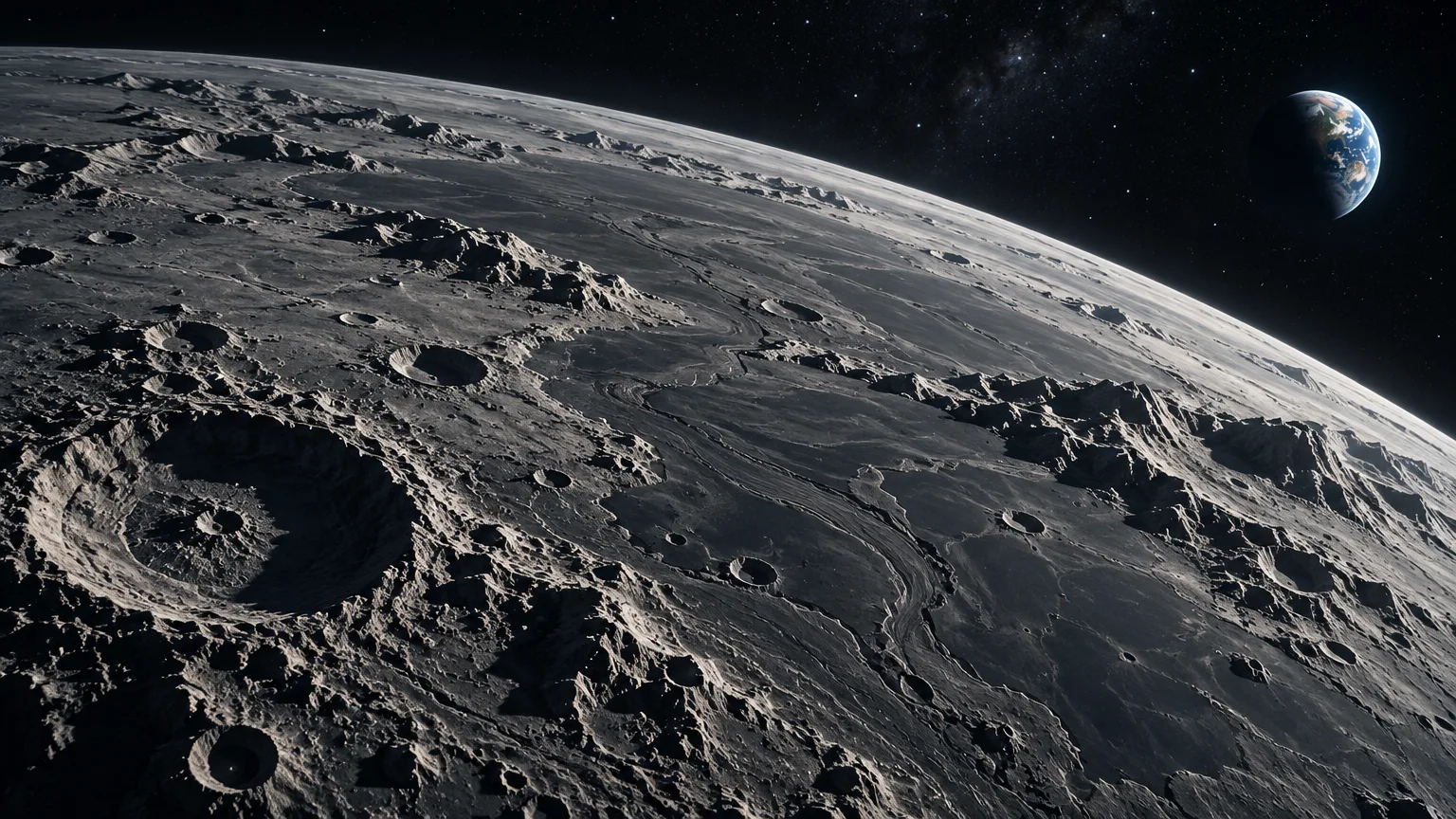
- On April 6, 2026, the Artemis II crew studied the Moon and its surroundings for nearly seven hours during Orion's closest approach.
- The astronauts photographed and described impact craters, ancient lava flows, cracks, and ridges, and observed differences in color, brightness, and texture.
- NASA is preparing a report of initial interpretations on impact flashes, color variations, and the shape and texture of faults and ridges.
- The agency plans to publish more than 100 audio recordings with transcriptions and around 11,500 image and video files of Earth and the Moon, with their associated data, in the Planetary Data System.
Related records
During the Orion spacecraft's closest approach to the Moon on April 6, 2026, the Artemis II crew spent nearly seven hours observing lunar features and their surroundings. A detailed plan, prepared minute by minute by the mission's lunar science expert team, guided the observations.
The astronauts photographed and described impact craters, ancient lava flows, cracks, and ridges. They also noted differences in color, brightness, and texture. According to NASA, those features offer clues about the composition and history of the lunar surface.
From observations to scientific reports
NASA scientists are studying the materials gathered during the flight, which include images, videos, and audio files. The agency plans to publish a report with initial interpretations later in 2026. Topics considered include impact flashes, color variations, and the shape and texture of faults and ridges.
The team will also publish a report on how the lunar scientific observations were planned, organized, and carried out. NASA notes that this work can serve as a reference for future Artemis program missions.
Archives for public consultation
NASA plans to make available more than 100 audio recordings, along with their transcriptions, and around 11,500 image and video files of Earth and the Moon, in addition to the associated data. The records will come from the Artemis II science campaign and will be incorporated into the agency's Planetary Data System, a public archive of data from its planetary missions.
NASA indicates that many images are already public. To prepare the archive, the team converts the materials to standard formats and adds information that facilitates their location and future use.
The crew's visual observations describe surface features and contrasts; initial scientific interpretations and reports on the observation process will be published later, based on analysis of the mission records.